Un cliente escanea el código de una botella y ve una página cuidada que dice que es auténtica. ¿Qué se ha comprobado realmente: que existe un registro, la identidad de un chip de seguridad o la propia botella?
Esta distinción importa más que utilizar la cámara o acercar el teléfono. QR y NFC son medios para transportar datos. El proceso de verificación determina qué significa el resultado.
Tres enfoques con funciones distintas
| Enfoque | Qué recibe el teléfono | Para qué resulta útil | Limitación principal |
|---|---|---|---|
| Código QR impreso | Un identificador o URL fijo | Información, instrucciones y acceso al pasaporte | El código visible se puede copiar |
| Etiqueta NFC estática | Datos almacenados, normalmente una URL fija | Acceso cómodo mediante un toque e interacción con clientes | Un enlace fijo no es una prueba criptográfica nueva |
| NFC seguro con mensajes dinámicos | Un mensaje que el servidor puede autenticar | Comprobar una etiqueta de seguridad registrada | Requiere una configuración segura y una unión fiable entre etiqueta y producto |
Deslice o desplácese horizontalmente para comparar las columnas.
Un QR serializado también permite comprobaciones útiles. El sistema puede detectar un identificador desconocido o un historial inusual. Sin embargo, una copia contiene el mismo identificador que el original. GS1 explica la diferencia entre autenticar datos e identificar un objeto físico concreto en su guía sobre firmas digitales.
Qué aporta el NFC seguro
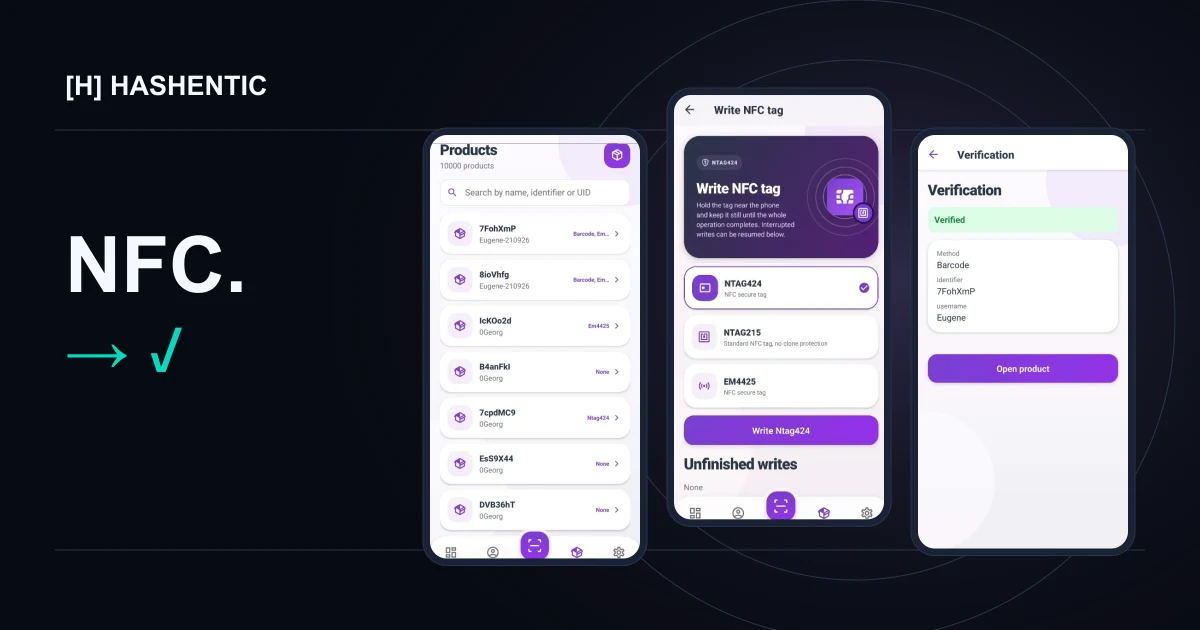
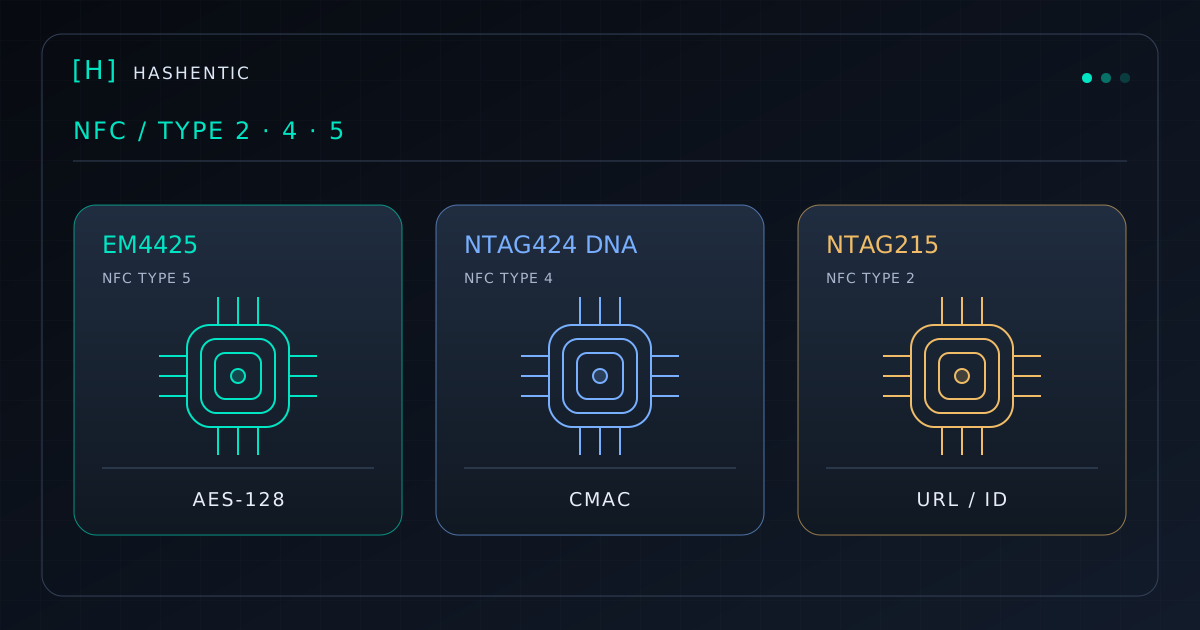
NTAG 424 DNA admite AES-128 y mensajes dinámicos de autenticación. El servidor comprueba el mensaje; encontrar un ID de producto en una base de datos es una operación distinta. Consulte la ficha técnica de NXP.
La implantación también necesita reglas para mensajes ya vistos, lecturas fallidas y sustitución de etiquetas. Una respuesta válida no demuestra por sí sola que un bolso esté intacto, que una botella contenga el líquido original o que la etiqueta nunca se haya trasladado. La fijación física y las comprobaciones operativas completan el diseño.
Por ejemplo, una etiqueta dentro de un producto duradero puede seguir siendo útil durante el mantenimiento. Una etiqueta en un envase desechable puede separarse del producto al abrirlo. Elija la fijación según la pregunta que deba responder después. Nuestros ejemplos de colocación muestran ubicaciones que conviene probar.
QR y NFC pueden compartir un registro
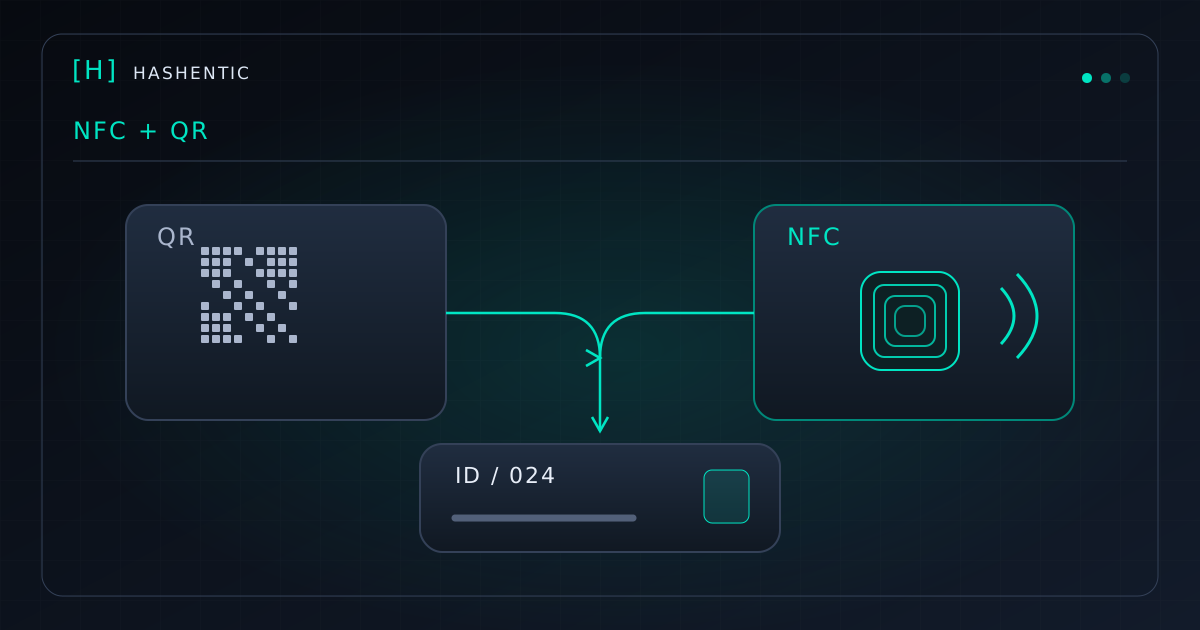
Muchos productos se benefician de ambos medios. Un QR ofrece acceso visible a las instrucciones, mientras que el NFC seguro añade una comprobación independiente de la etiqueta. Ambas rutas deben conducir al registro previsto, indicando en la interfaz qué comprobación se ha realizado.
GS1 Digital Link permite expresar identificadores de producto de forma compatible con la web. Puede facilitar el acceso a distintos recursos sin convertir la ubicación actual de la página en la identidad permanente del producto. La guía de inicio de GS1 explica la diferencia.
No asigne a la alternativa QR el mismo estado de etiqueta segura verificada que a una comprobación criptográfica satisfactoria. Encontrar información del producto es un resultado útil por sí mismo. No debe sugerir pruebas que el escaneo no ha recogido.
Elija según el recorrido del cliente
Para una etiqueta de cuidado, lo principal puede ser encontrar fácilmente las instrucciones. Para un objeto de colección, la marca puede necesitar una identidad que el personal compruebe al revenderlo o devolverlo. En un envase sellado, la relación entre el precinto y el contenido requiere atención específica.
Antes de pedir etiquetas o imprimir el diseño, documente:
- La afirmación exacta que aparece tras cada tipo de escaneo.
- Si el registro representa un modelo, un lote o un artículo individual.
- Dónde permanece el medio durante la vida prevista del producto.
- Qué sucede cuando falta o no puede leerse.
- Quién mantiene el destino, los datos y el servicio de verificación.
Si su objetivo incluye un pasaporte digital de producto, compruebe aparte los requisitos aplicables al soporte de datos. La tecnología por sí sola no demuestra cumplimiento normativo. Empiece por la guía del modelo de datos DPP.
Compare procesos completos, no solo precios de etiquetas
La impresión, fijación, personalización, control de calidad, alojamiento de la verificación y gestión de excepciones forman parte del coste. Un soporte barato que genera consultas recurrentes puede costar más de operar de lo que su precio sugiere. Mídalo en su propio proceso en lugar de basarse en una promesa universal de rentabilidad.
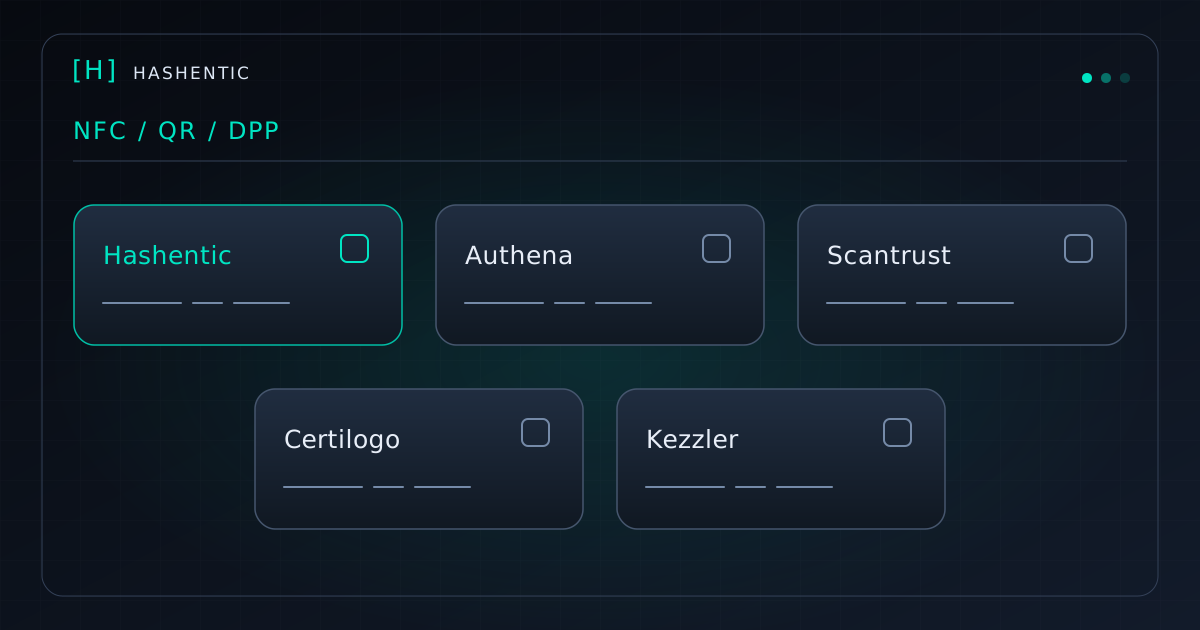
¿Está eligiendo proveedor? Lea nuestra comparación de Hashentic, Authena, Scantrust, Certilogo y Kezzler, con enfoques documentados y preguntas para las demostraciones.
Explore la tecnología de verificación de Hashentic y utilice la lista para un piloto NFC para probarla en su producto. Solicite una demostración aportando un envase de muestra y el resultado que desea mostrar al cliente.