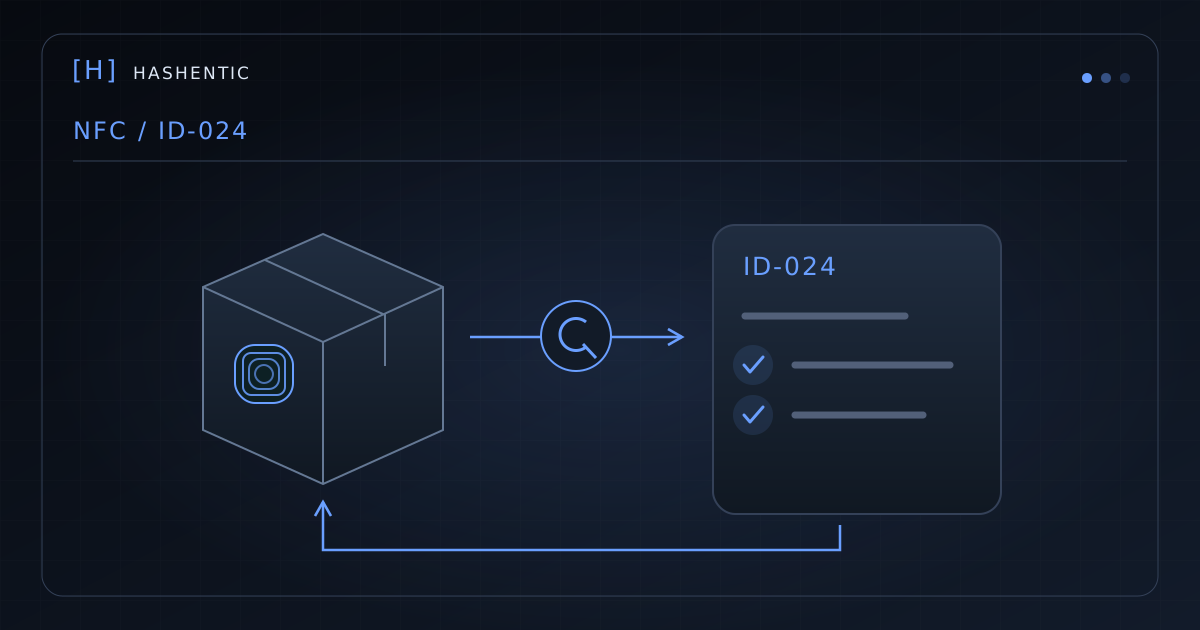
A returned product creates several different questions. Is it the item associated with the order? Does its security tag pass verification? Is the product complete and in the expected condition? What should the team do next?
NFC can contribute evidence to that process. It should be one input to a return decision, alongside order information and physical inspection. The workflow below is a proposed design, not a report of measured fraud reduction.
Create the association before dispatch
A useful return check starts earlier than the return. At fulfilment, associate the individual product identifier with the order line. Verify that the attached tag opens that item's record and keep the dispatch event separate from a later customer scan.
Record what was actually checked. A warehouse scan might establish that the tag was read during packing; it does not automatically establish the product's condition or prove every accessory was included. If those details matter, capture them through a separate inspection process.
For products without individual identifiers, decide whether batch-level evidence is enough. The DPP data-model guide explains how these identity levels differ, even when a formal passport is not the immediate goal.
Separate the evidence shown to staff
Give staff distinct results for the tag, product record and order association. One large green tick is difficult to interpret when it combines several checks with different meanings.
| Evidence | Question it helps answer |
|---|---|
| Tag verification | Did the verification service accept the tag's authentication message? |
| Item-to-order association | Does the registered item match the recorded shipment? |
| Physical inspection | Does the product match its expected condition and contents? |
| Service history | Are there repairs, tag replacements or previous return events to review? |
Swipe or scroll horizontally to compare columns.
The distinction between a genuine identifier and the physical object carrying it is important. GS1 discusses this physical-to-digital association problem in its Digital Signatures guideline. A valid identifier alone is not the entire inspection.
Design the tag attachment for the return journey
A disposable hangtag can become separated from the item after purchase. For a durable product, a protected location within the product may be more useful for later checks. Test the location against wear, cleaning, repair and accessibility at the inspection desk.
Tamper-aware tags provide another kind of evidence. NXP's NTAG 424 DNA TagTamper datasheet describes a tamper loop with a stored opened state. What opening means still depends on where the loop is installed. An opened package is not automatically a counterfeit product, and ordinary NFC tags should not be presented as having this additional sensor feature.
Review placement examples with the packaging and service teams before choosing the tag format.
Make exceptions a normal part of the process
A missing read can come from damage, placement, a phone setting or an unavailable service. Send that result to a review queue with a clear reason; do not label every failed read as fraud.
If a verified tag is attached to the wrong product, preserve both observations. If a repair legitimately replaced a tag, show the old-to-new association and its approval. If the same return request arrives twice, the integration should avoid creating two refunds or two inventory receipts.
Keep automated actions separate from evidence collection. Authentication events may inform the returns system, but the rules that accept an item, issue money or return stock to sale need their own controls and owners. The workflow must also accommodate the return policies and customer rights that apply to the transaction.
Measure whether the workflow is useful
Compare the pilot with your existing inspection process. Track the time required per return, the proportion needing manual review and the reasons for missing evidence. Review false alarms, legitimate tag replacements and cases where the process could not reach a conclusion.
Do not count every rejected or unreadable scan as a prevented fraudulent return. A useful report distinguishes confirmed findings, unresolved cases and routine technical failures. That makes it possible to judge whether the process reduces investigation effort without creating avoidable customer friction.
Explore Hashentic's platform and use the NFC pilot checklist to define an initial test. A demo discussion can start with your order workflow, a sample product and the evidence staff need to see before making a decision.